Add Row
Add Element
cropper
update
Work and Burnout
update
Add Element
  • Home
  • Categories
    • Managing Work Stress
    • Burnout Recovery
    • Remote Work Challenges
    • Work-Life Balance
    • Productivity Hacks
    • Mental Health at Work
    • Workplace Toxicity
    • The Future of Work
July 11.2025
3 Minutes Read

Hochul's Defense: Tackling Sexual Harassment in the Workplace System

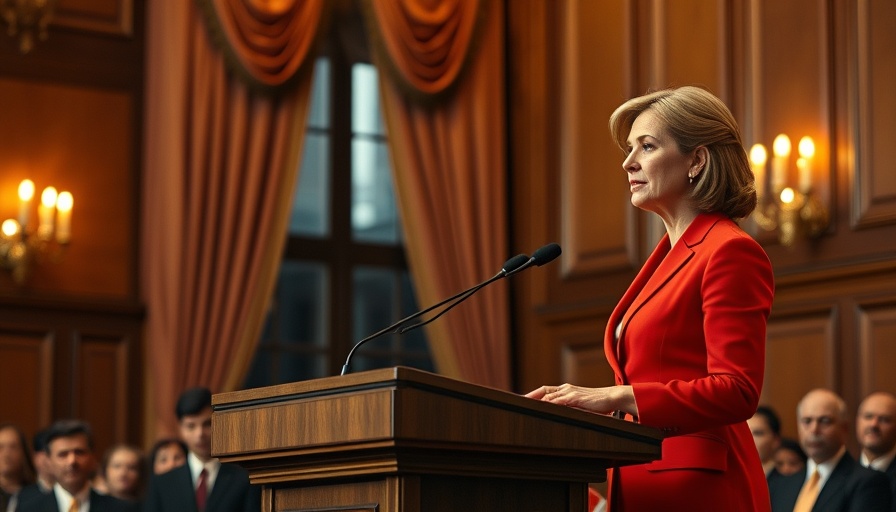
Hochul defends workplace harassment handling at formal event.

Accountability in the Workplace: A Lesson from Hochul's Administration

In the wake of troubling allegations surrounding former press secretary Avi Small, New York Governor Kathy Hochul's defense of her administration's response shines a spotlight on how workplaces handle toxicity and harassment. Hochul asserts that the system has reflected necessary changes, a point she elaborates on during press interactions. Yet, while some may commend her for recognizing the issues, others have raised eyebrows at the handling of Small's past allegations.

Understanding Hochul's Position on Workplace Culture

Hochul came into power in 2021 after the resignation of former Governor Andrew Cuomo amidst multiple scandals, primarily revolving around sexual harassment. From the outset, Hochul vowed to foster a different environment—one devoid of toxic practices. She believes that by addressing complaints as they arise, her administration is setting a precedent for accountability, arguing that the system is effectively working.

The Impact of Past Allegations: Lessons Learned

The historical context is imperative, particularly as Small faced past allegations where he allegedly locked a staff member in a closet, only to remain in his role after an external investigation. This raises questions about how thoroughly complaints are investigated and whether adequate consequences are enforced. Critics argue that Hochul's administration must prioritize transparency and consistency when mishandling arises. The repercussions of this leadership style go beyond political optics; they affect workplace mental health, staff morale, and organizational productivity.

A Cultural Shift: From Silence to Accountability

In framing the narrative of accountability, Hochul has sparked a dialogue about how workplaces can evolve to be more inclusive and responsive to harassment claims. Employees today are more empowered to report misconduct than in past decades, reflecting a societal shift that champions inclusivity. However, simply stating that a transformation has occurred is not enough; there needs to be visible change in policy and practice.

Reactions to the Handling of Complaints

Critics and supporters diverge in their assessments of Hochul's defense. Supporters argue that she is attempting to navigate a complex environment where past leaders have failed. Detractors highlight the need for stronger measures and more immediate reactions to misconduct allegations. This duality encapsulates the broader tension within workplaces today—a struggle to balance addressing misconduct head-on while also protecting employees and maintaining a functional work environment.

Moving Toward a Healthier Work Environment

As conversations around toxic workplace culture gain traction, the importance of support structures also comes to light. Policies that foster an inclusive environment, provide mental health resources, and ensure robust reporting mechanisms are critical. Hochul's experience is just one of many that highlight how organizations can either fall into old patterns or champion new changes to ensure the wellbeing of their employees.

As workplace dynamics continue to evolve, all employees—regardless of their organization—should advocate for transparency and accountability. It is crucial for staff at all levels to feel safe and supported in their environment. The system only improves when every individual holds it accountable.

Take Action: Support Workplace Safety Initiatives

Ultimately, employees and employers alike should champion systemic changes for a healthier work environment. By advocating for supportive policies and practices, the chance to foster positivity in workplaces increases. As we assess cases like Hochul's, let's come together to push for a future where harassment is no longer tolerated and transparency reigns.

Workplace Toxicity

3 Views

0 Comments

Write A Comment

*
*
Related Posts All Posts
12.05.2025

Springs, Eternal: Fullbright's New Game Reflects on Toxic Workplace Culture

Update Years After a Troubled Past, Fullbright Reimagines Itself The announcement of Springs, Eternal, a new narrative-focused game from the enigmatic Fullbright, has ignited discussions, particularly among those familiar with the studio's tumultuous history. Once celebrated for groundbreaking titles like Gone Home and Tacoma, Fullbright's reputation suffered a significant blow due to allegations of a toxic workplace, particularly targeting women during the development of their last game, Open Roads. With founder Steve Gaynor stepping back to lead as a solo developer, the atmosphere around the studio has shifted markedly, raising questions about its future direction. Chatting It Up in a Hot Spring: What to Expect At the recent PC Gaming Show, Fullbright revealed Springs, Eternal. Unlike their previous offerings, this game features branching dialogue paths—an exciting development for fans and newcomers alike. Set in a hot spring amidst what appears to be a looming night, the game looks to build an immersive experience where players engage with over a dozen characters, exploring personal stories while navigating potentially eerie encounters. The narrative cleverly melds dialogue with memories, allowing players to replay key moments from a romantic relationship tied to their arrival at the hot spring. Despite the backdrop's light-hearted vibes, the underlying themes may prompt players to confront deeper feelings and past experiences, which echoes Fullbright's focus on emotional storytelling. Navigating the Impact of Toxic Work Culture The context of this new title cannot be ignored, particularly its intricate ties to Fullbright's previous controversies. After Gaynor's admission of struggles with management, which resulted in a split from his studio partners and a high turnover of staff, Springs, Eternal stands as a testament to his personal growth. This shift signals an important opportunity for Gaynor to rebuild trust with an audience that may feel wary after the allegations. Amidst a renewed focus on workplace environments, particularly in tech and creative sectors, many people with jobs are grappling with issues of employee well-being, mental health, and the often sacred balance between work and personal life. Whether intentional or not, the choice of a soothing hot spring setting could show Gaynor's aim to engage with mental health themes prevalent in contemporary workplaces, indirectly inviting reflection on personal balance. Insights into a Narratively Rich Gameplay Experience The game promises a narrative-driven experience, akin to its predecessors, yet it also introduces a unique gameplay mechanic: using conversations to access new dialogue threads with different characters. Each interaction may uncover more about the storyline, pushing players to think critically about the dialogue choices they make. This highlights the modern gaming trend of interactive storytelling that is gaining traction as players increasingly seek deeper connections to the narratives they engage with. For many those seeking a break from life's daily grind, Springs, Eternal delivers a concept that blends light-hearted chats with striking memory-revealing mechanics. The tonal switch from prior full-fledged differences in games generated by a collaborative effort to this solo venture sets a delicate path, showcasing how games can step beyond mere entertainment to provoke thought on personal narratives and emotional experiences. Future Predictions and Trends in Gaming As we move towards the game's release in 2026, Springs, Eternal raises questions about the future of narrative games in light of workplace dynamics. Will more developers follow Gaynor's lead, intentionally creating stories steeped in personal introspection and emotional well-being? With the rise of mental health awareness, game developers could be inspired to assimilate themes of community, empathy, and personal growth into their projects, which may facilitate more relatable experiences for players. The industry is at a turning point, aiming to balance engaging gameplay with more meaningful storytelling, which could be crucial for reducing feelings of isolation and stress among players. Springs, Eternal represents not just a new project for Fullbright but a potential shift in the gaming landscape where personal connection and narrative depth become central to the gaming experience. Stay tuned as the release date approaches. Engage with the themes being explored in Springs, Eternal as an opportunity for deeper understanding, reflection, and dialogue about your own journeys—whether in gaming or the workplace.

12.02.2025

Why Toxic Workplace Conditions Are Damaging Mental Health Nationwide

Update Understanding the Workplace Mental Health Crisis A recent survey conducted by Monster reveals alarming trends regarding employee mental health, with 80% of U.S. workers reporting that they operate in a toxic workplace. This statistic marks an increase from 67% the previous year, indicating a troubling shift in workplace environments across the nation. The defining factors contributing to this toxic culture include poor management, climbing workloads, and insufficient employee support systems, with a significant 93% of respondents expressing that their employers are not adequately addressing mental health issues. The consequences are far-reaching, as many employees are driven to reevaluate their career paths due to these detrimental conditions. Common Issues Contributing to Mental Health Decline The poll identified major contributors to workplace toxicity that jeopardize employee well-being. The most cited issues include: Toxic workplace culture: 59% of respondents believe this is a primary driver of mental health challenges. Bad management: 54% reported that ineffective or unsupportive supervisors fueled their dissatisfaction. Lack of growth opportunities: 47% expressed concern over stagnation in their roles. Increased workload: Another 47% indicated they faced unsustainable work demands which contributed to their declining mental health. Staffing shortages: 33% of workers noted that understaffing led to heightened stress levels. This environment of toxicity has sparked a dramatic shift in how employees are willing to prioritize their well-being. An overwhelming 57% stated they would leave their jobs rather than stay in a toxic environment, even if it meant sacrificing salary or vacation days. The Disconnect Between Employees and Employers Despite the evident crisis, many employers remain oblivious to the need for change. Only a small percentage (23%) of companies have established dedicated mental health policies, which reflects a lack of investment in employee welfare. Time off for therapy is a resource that 50% of employees find beneficial, yet its relatively rare availability suggests a considerable gap in employer responsiveness. On the other hand, organizations that embrace supportive practices are beginning to see positive outcomes in employee morale and retention. For instance, offering generous paid time off (PTO) and creating a clear structure for mental health support can result in increased productivity and lower turnover rates. The Role of Workplace Culture in Employee Retention Creating a positive workplace culture is more than just a nice-to-have; it’s a fundamental business strategy. Companies that effectively support employee mental health not only reduce the risk of burnout but also cultivate an environment conducive to growth and innovation. Mind Share Partners' 2025 Mental Health at Work report reiterates this, showing that workplaces with supportive structures see a significant decrease in burnout, depression, and anxiety among employees. With 63% of respondents prioritizing their mental well-being over job prestige, organizations must reevaluate their priorities. A robust culture that facilitates open discussions about mental health can lead to improved trust and a stronger sense of belonging among employees. Empowerment Initiatives for Employee Well-Being So, what steps can organizations take to facilitate a healthier work environment? Here are some strategies that may yield significant improvements: Encourage open dialogue: Establishing an environment where employees feel comfortable discussing their mental health struggles can foster a more cohesive workplace. Implement flexible work policies: Flexibility in working hours and locations can significantly enhance employee satisfaction and reduce stress. Provide mental health resources: Making mental health support readily accessible and visible reinforces to employees that their well-being is a priority. Regular check-ins: Managers should conduct regular one-on-ones to assess employee morale and address any emerging concerns directly. By taking proactive measures, organizations can create a culture that not only supports employee well-being but also leads to better business outcomes. Conclusion The findings of this survey amplify the need for a shift towards prioritizing employee mental health in workplaces nationwide. As more workers report that their jobs adversely affect their mental well-being, the responsibility falls on employers to invest in their employees’ health. For those feeling the burden of their work environment, it may be time to consider what changes could lead to a more supportive workplace culture. To learn more about fostering positive mental health at work, explore resources aimed at creating healthier work environments and discuss them with HR or leadership teams in your organization.

12.01.2025

As Employees Stand Up: The Backlash Against Toxic Workplaces Unfolds

Update An Emotional Exit Sparks a Broader Conversation about Toxic Work CultureA recent resignation incident has shed light on the troubling dynamics of workplace culture. An employee's decision to leave a job labeled as toxic was met with unexpected backlash from HR, igniting a fiery debate over employee rights and corporate attitudes. Instead of congratulating the employee on their new opportunity, the HR representative described them as 'selfish and ungrateful' for leaving, illustrating a disturbing power imbalance within the organization.This incident is not an isolated one but a reflection of a growing trend among workers fed up with broken commitments and disrespect. As employees prioritize mental health and work-life balance, their departures are increasingly seen as acts of self-preservation rather than betrayal. The viral nature of the employee's story, shared on platforms like Reddit, resonates deeply with many who have faced similar experiences.From Loyalty to Liberation: The Shift in Employment PerspectivesTraditionally, job security was viewed as paramount; however, emerging generations like Gen Z are redefining workplace loyalty. Instead of remaining silent while enduring a toxic environment, they now view quitting as a means of expression. According to psychologist Mark Travers, younger generations, particularly Gen Z, prioritize well-being, flexibility, and fairness over monotonous loyalty to employers who fail to provide a supportive environment.According to research, about 55% of Gen Z workers report dealing with mental health challenges, which significantly influence their perspectives on work. The reluctance to stay in toxic workplaces is causing a shift towards 'revenge quitting,' where employees make loud exits to signify their frustrations and send a message to employers about unacceptable conditions.Exposing Toxicity: The Need for Better HR PracticesThe incident highlights a critical need for companies to re-evaluate their HR practices. The archaic model of HR treating resignations as disloyal acts must shift towards a more humane approach that acknowledges the reasons behind an employee's departure. Toxic work environments, unfulfilled commitments, and discriminatory practices have pushed employees to their limits, prompting them to leave situations that jeopardize their mental and emotional health.Workplace experts argue that employers need to develop a culture rooted in respect and understanding, moving away from outdated methods of blame and guilt. Creating exit interview processes that foster constructive feedback can enhance employer branding and retain talent by addressing issues rather than dismissing them.Building a Healthier Workplace: Actions to TakeFor organizations aiming to attract and retain talent in today's competitive climate, addressing employee concerns proactively is vital. Emphasizing employee wellness, ensuring transparent communication, and setting absolute ethics standards are essential for fostering healthy workplace dynamics. Employers must break down the traditional barriers that pit workers against the company, instead building partnerships driven by respect and mutual benefit.Additionally, businesses should leverage resources to support employees' psychological well-being. Implementing flexible work arrangements, encouraging open dialogues about mental health, and ensuring employee voices are heard can contribute to a healthier workplace culture.What It Means for the Future of WorkThis ongoing conversation signals a critical change in workplace norms. As employees increasingly advocate for their rights, businesses willing to adapt their policies and practices are well-positioned to thrive in a changing labor market. The days of simply enduring subpar conditions are fading, and companies must actively strive to show they care about their people—because, ideally, every employee deserves a healthy and respectful work environment.

Terms of Service

Privacy Policy

Core Modal Title

Sorry, no results found

You Might Find These Articles Interesting

T
Please Check Your Email
We Will Be Following Up Shortly
*
*
*