Add Row
Add Element
cropper
update
Work and Burnout
update
Add Element
  • Home
  • Categories
    • Managing Work Stress
    • Burnout Recovery
    • Remote Work Challenges
    • Work-Life Balance
    • Productivity Hacks
    • Mental Health at Work
    • Workplace Toxicity
    • The Future of Work
June 28.2025
3 Minutes Read

The Struggles of Hybrid Work: Understanding its Impact on Collaboration and Culture

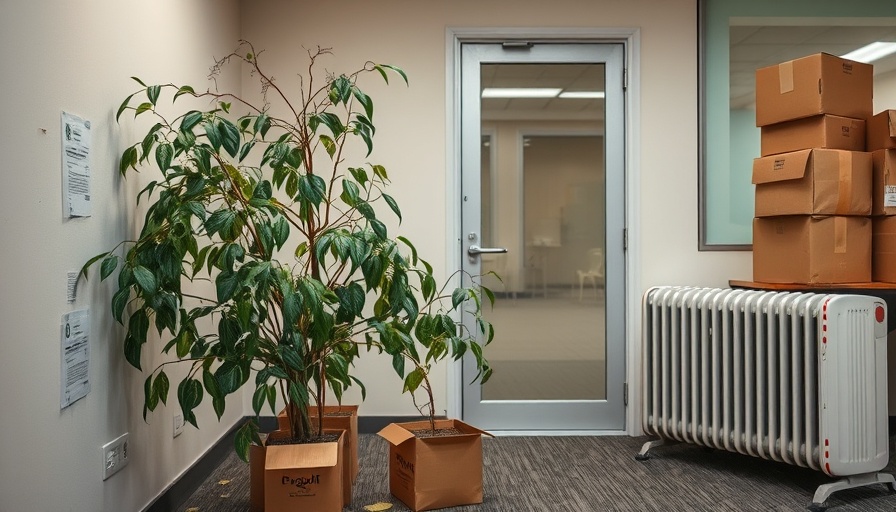
Withering plant in office corner with boxes, symbolizing challenges of hybrid work.

Understanding the Hybrid Work Dilemma

In recent years, hybrid work arrangements have emerged as a solution meant to balance flexibility and in-person collaboration. However, evidence suggests that these setups are often falling short of expectations. Many organizations, facing pressing challenges of productivity and employee engagement, are beginning to realize that hybrid work may not be the silver bullet they hoped for. As companies push for a return to the office, it’s essential to delve into the nuances of what’s really happening in hybrid work settings.

What’s Going Wrong?

Recent studies have showcased a growing problem: hybrid work is increasingly linked to reduced collaboration and heightened feelings of isolation among employees. Particularly in industries where teamwork and communications are crucial, the disconnect between remote and in-office workers can lead to misunderstandings and less cohesive team dynamics. Without daily face-to-face interactions, informal exchanges that often spark innovation and creativity are diminishing.

The Role of Organizational Culture

The challenge goes beyond logistics; it lies deeply rooted in organizational culture. Hybrid work can disrupt the sense of community that remote teams are often craving. A Harvard Business Review analysis indicates that when employees feel isolated, it strains not only their collaboration capabilities but also their commitment to the organization. Companies need to invest in developing a culture that fosters inclusivity and a sense of belonging—whether employees are working from home or in the office.

Empowering Through Technology

Technology can play a crucial role in bridging the gap created by physical distance. Tools like Slack, Microsoft Teams, and Zoom were developed to maintain communication, but they must be leveraged effectively. Regular check-ins, virtual social events, and collaborative platforms can help maintain relationships and promote engagement between remote and in-house teams. Investing in these technologies is essential to provide all employees with meaningful interactions that contribute to a positive working atmosphere.

Innovative Solutions for Hybrid Work Challenges

Organizations must consider unique approaches to foster connection in hybrid environments. Regular team-building exercises that are designed to include remote members are essential. Moreover, emphasizing flexibility in meetings, where both in-office and remote workers can contribute equally, encourages collaboration. Companies such as Salesforce are leading the charge by introducing creative brainstorming sessions where everyone can participate, no matter their location.

Future Insights: What Work Looks Like Moving Forward

As we look toward the future of work, the lesson here is that a one-size-fits-all approach to hybrid arrangements might not be effective. Companies need to be adaptable, willing to explore and implement various working models according to employee preferences and organizational needs. Recognizing that not all workers thrive in a hybrid model is crucial—there will always be a percentage that prefers remote work for its flexibility, while others benefit greatly from the interactions that occur in-person.

Call to Action for the Workplace

As discussions about hybrid work evolve, it is more important than ever for employees and employers alike to communicate openly. If you’re feeling a disconnect or are facing challenges in your hybrid setup, make sure to reach out with your concerns. Employers should foster spaces where feedback is encouraged, ensuring that everyone’s voice is heard in shaping the workplace of the future.

Remote Work Challenges

4 Views

0 Comments

Write A Comment

*
*
Related Posts All Posts
12.04.2025

Why Wisey is a Game-Changer for Remote Workers Facing Chaos

Update Reclaiming Focus: The Wisey Advantage for Remote Workers With the rise of remote work, many employees found themselves excited about the freedom it offers. However, as the novelty faded, chaos replaced that enthusiasm for countless individuals. Wisey enters the scene as a beacon of hope for those struggling to adapt to the distractions of working from home, aiming to bring back structure and improve productivity. The Dilemma of Remote Work: Why Structure Matters For years, traditional office environments provided a routine that helped employees stay on track. The commute to work, the scheduled coffee breaks, and the presence of colleagues maintained focus and structure. But at home, those boundaries dissolve. You may find yourself lounging on the couch rather than attending to emails or being lured into distractions like household chores and streaming services. This transition can create a tug-of-war between the casual comforts of home and the demands of a job. Many remote workers discover they are either struggling to start their work or find it hard to turn off after a long day. Here, the Wisey app – with its unique adaptability – endeavors to solve these distinct challenges by emphasizing personal habits and routines tailored for individual home environments. Building Personal Routines with Wisey One of Wisey's standout features is its Habit Builder, guiding users to create routines that reflect their natural rhythms instead of compelling them to fit into a conventional 9-to-5 system. The flexibility allows users to experiment with different routines and discover what personally boosts their focus. Whether it’s a brief coffee break before diving into work or a strategic sequence to prioritize tasks, Wisey tracks the effectiveness of these customized approaches. This feature is particularly important because home life is filled with interruptions. Each time a package arrives or a family member seeks help, it stresses the traditional productivity mindset that punishes missed tasks. Wisey shifts this narrative by asking, “What interfered?” turning disruptions into learning experiences rather than chances for self-criticism. Focus Tools Tailored to the Home Office Cultivating a productive environment at home is a complex challenge that Wisey tackles head-on with several focus-enhancing tools. The Focus Timer employs the Pomodoro technique, creating structured work sessions complemented by pauses that refresh the mind. Additionally, the App Blocker is a game-changer for remote workers often tempted by social media during work hours. This feature restricts access to distracting applications, enabling users to maintain a more focused workflow. Finally, the Focus Sounds tool offers ambient noise options, helping drown out distractions from noisy households or create a calming backdrop in quieter spaces. Mental Health: A Core Principle of Wisey Understanding the stresses associated with remote work, Wisey places significant emphasis on mental health by avoiding punitive measures against user inconsistencies. Unlike traditional productivity apps that often lead to feelings of inadequacy due to unmet goals, Wisey’s response to failure is one of inquiry. This change in approach makes it possible for users to identify barriers without shame, fostering a healthier relationship with productivity. The platform's integration of mood tracking with habit formation contributes to this philosophy. Users gain insights into how their activities correlate with their mental wellbeing over time. For example, if starting the day with exercise boosts focus in the latter half of the day, this connection becomes a valuable piece of information for users. What Users Are Saying: A New Perspective on Productivity Feedback from Wisey users reflects a significant trend: appreciation for the straightforward, kind approach to productivity. Many praise the platform for promoting self-discovery rather than shame-driven accountability. This sentiment echoes throughout online reviews where users have noted a refreshing change from traditional systems. One user remarked, "I can see myself in every aspect. I have battled these problems for many years, but I never saw it from this perspective. I'm very optimistic about the future." This hopeful outlook resonates with many looking for sustainable methods without the weight of unrealistic expectations. Conclusion: Embracing Change for Greater Productivity As remote work continues to evolve, the challenges that accompany this shift become vital conversation points. Wisey positions itself as a crucial tool for remote workers seeking to reclaim focus, balance, and mental wellbeing in their daily lives. The simplicity and adaptability of the app defy the prevailing notion that more features equate to better productivity; instead, it strips down the essentials and celebrates the process of embracing challenges. Ultimately, by focusing on individual habits, mental health, and the nuanced demands of working from home, Wisey supports users in building a work-life integration that feels achievable, practical, and, most importantly, humane. So, take the leap and try Wisey to discover its potential to change how you work from home.

12.03.2025

Nebraska Supreme Court’s Decision on Remote Work Could Reshape Employee Rights

Update Understanding the Remote Work Debate: NAPE vs. Nebraska State As states navigate the complexities of post-pandemic work arrangements, the Nebraska Association of Public Employees (NAPE) finds itself in a heated legal dispute with the state government. At the center of this contention is an executive order from Governor Jim Pillen that eliminated pandemic-era remote work policies, compelling many state workers to return to their offices. NAPE, representing over 8,000 public employees, is appealing a court ruling that sided with the state, a move that may have significant implications for employee rights and workplace flexibility. What’s at Stake for State Employees? The Nebraska Supreme Court's decision could set a precedent regarding remote work policies within public sectors across the nation. While only a fraction of NAPE’s members—approximately 1 in 6—were working remotely during the height of the pandemic, the issue now transcends mere employee preferences; it relates to basic workplace conditions, such as commuting costs and office space management. NAPE's executive director, Justin Hubly, emphasizes that there are still employees working remotely and that negotiations around their work conditions should be re-established. This situation raises a broader question: how will states balance operational needs with worker rights and preferences? As more employees express a desire for flexible work arrangements, unions and state governments must find a meeting point that allows for negotiation while considering budget constraints. Legal Framework: Collective Bargaining Agreements Central to this dispute is the collective bargaining agreement, which NAPE contends lacks clarity regarding remote work conditions. The union argues that without explicit definitions in the contract, the state cannot unilaterally enforce changes to remote work arrangements. On the other hand, the state believes their management rights—explicitly stated in earlier contracts—afford them the authority to make such changes without renegotiation. This legal stance places the responsibility on NAPE to clarify what remote work entails under their agreement if they want to successfully negotiate terms. Uniting over the need for flexibility could begin setting a new norm in state workplaces, allowing the union to push for policies that align better with contemporary workforce demands while maintaining public service quality. The Broader Implications of Remote Work Policies The outcome of this case could redefine how public employees are treated in terms of remote work overall, especially in light of an evolving landscape in employment practices. Given that many organizations have shifted towards hybrid or flexible work models, the question remains whether state policies will adapt to reflect these changes. Furthermore, if the court does not support NAPE's appeal, it might discourage public employee unions elsewhere from challenging their own states' policies, thereby potentially stalling progress toward modern workplace rights. Financial Ramifications for NAPE A critical factor in this proceedings involves the nearly $42,000 in legal fees imposed on NAPE after its petition was deemed frivolous. Hubly argues that these fees are punitive and pose an unnecessary burden on a union that is actively seeking to protect employee rights. Should the Nebraska Supreme Court rule unfavorably for NAPE, it may discourage not only this union but others from pursuing similar legal recourse in the future. Looking Ahead: The Future of Remote Work As the Nebraska Supreme Court deliberates, many eyes will be on the ruling, not just within the state but nationwide. The implications extend far beyond Nebraska's borders; this case could influence how remote work is viewed legally within the public sector, setting standards for flexibility, negotiation rights, and employee treatment. The push for remote work not only reflects a shifting workforce mentality but also highlights the need for dialogue between state administrations and public employees. This negotiation may pave the way for more thoughtfully designed work environments that not only boost morale but also productivity and public service effectiveness. Conclusion: An Invitation to Engage in Workforce Discussions As Nebraska navigates this intricate challenge, it serves as a call to action for all workers to consider their rights in this evolving work landscape. It highlights the importance of dialogue around work policies that affect quality of life and work-life balance. The Nebraska case may very well serve as a pivotal moment in understanding and reshaping the future of work. For those interested in advocating for workplace rights and improvements in work conditions, now is the time to become involved in discussions at various levels within your own organizations and communities. Explore ways to promote flexibility and employee welfare, and be part of the movement towards cultivating a work environment that genuinely supports diverse employee needs.

11.28.2025

Unseen Costs of Remote Work: Burdens Faced by Indian IT Professionals

Update Understanding the Hidden Costs of Remote Work for Indian IT Professionals The shift to remote work is redefining the landscape of employment globally, but it has profound implications in specific sectors, particularly for Indian IT professionals. These workers, often hailed as the backbone of multinational corporations, bear unique burdens that are rarely acknowledged when companies pivot to remote operations. Recent research from the University of Bath uncovers these challenges, emphasizing how economic, psychological, and infrastructural strains impact their daily lives. The Unseen Struggles: Infrastructure and Environment In-depth interviews with over 51 Indian IT specialists revealed stark realities: they contend with inadequate home office setups, insufficient technical support, and under-resourced environments. Many of these workers live in multigenerational households, requiring negotiation of shared spaces and bandwidth. This occupancy often induces stress, as professionals grapple not only with their own work but also with the needs and schedules of family members. Elements such as unreliable electricity and flimsy internet connections further compound these challenges, forcing IT workers to invest their salaries into solutions like industrial-grade power backups. Economic and Technological Implications Many companies have shifted their operational costs to their employees without providing adequate monetary support. While organizations experience reduced overhead, the burden lands squarely on the shoulders of workers who must cover costs like high-quality internet connections and digital infrastructure. The shift in responsibility creates economic tension, particularly for workers in a country where IT salaries may not align with the increased demands of remote work. The Reality of Remote Surveillance Another layer of complexity arises from the pervasive surveillance technologies that remote workers must navigate. The need for constant connectivity is coupled with an environment where monitoring tools are commonplace, further adding to the psychological toll. As Professor Vivek Soundararajan notes, “The promise of working from anywhere didn’t eliminate workplace inequalities; it simply relocated them into domestic spaces.” Bringing Awareness to a Growing Workforce With remote work increasingly becoming routine—estimates suggest that 60 to 90 million Indians may work remotely by 2025—there is a pressing need for companies and policymakers to rethink their remote working frameworks. The focus must not solely be on flexibility and accessibility but incorporate the very real challenges faced by workers in the Global South, where socioeconomic realities differ vastly from those in the Global North. Cultural Considerations and Family Dynamics The structure of Indian families and homes significantly diverges from western contexts, thereby affecting remote work adaptability. Effective remote work policies must include a nuanced understanding of these varied family dynamics, where shared spaces and responsibilities related to technology usage introduce additional complexities. Companies must implement changes that reflect the realities faced by their employees to ensure meaningful productivity and job satisfaction. Looking Ahead: Future Predictions for Remote Work Policies As we navigate these adjustments, there is much to learn regarding how to make remote work effective for everyone involved. Future predictions indicate a need for companies to adopt holistic approaches that not only address the challenges of connectivity and productivity but also prioritize workforce well-being. Enhanced awareness and action plans related to infrastructure support can lead to increased morale and output within these teams. Final Thoughts on the Future of Remote Work Ultimately, the transition to remote work should not exacerbate inequalities. Realistically, Indian IT professionals showcase resilience in the face of constantly changing circumstances, yet their experiences underline the necessity for systemic change. As the workforce evolves towards more flexible environments, it is imperative that both organizations and policymakers honor and validate the life realities of their remote workers to foster a truly equitable work environment. Take Action: Advocate for Supportive Remote Work Policies For those employed in jobs that embrace remote work, consider voicing your needs and concerns to management. Your feedback is imperative for creating workplace policies that support effective remote work, ensuring that no worker feels overlooked or unsupported in their home offices.

Terms of Service

Privacy Policy

Core Modal Title

Sorry, no results found

You Might Find These Articles Interesting

T
Please Check Your Email
We Will Be Following Up Shortly
*
*
*